Category: Dietary Supplements

Best Practices

Cosmetic Stability Testing: Why It Matters More Than Ever

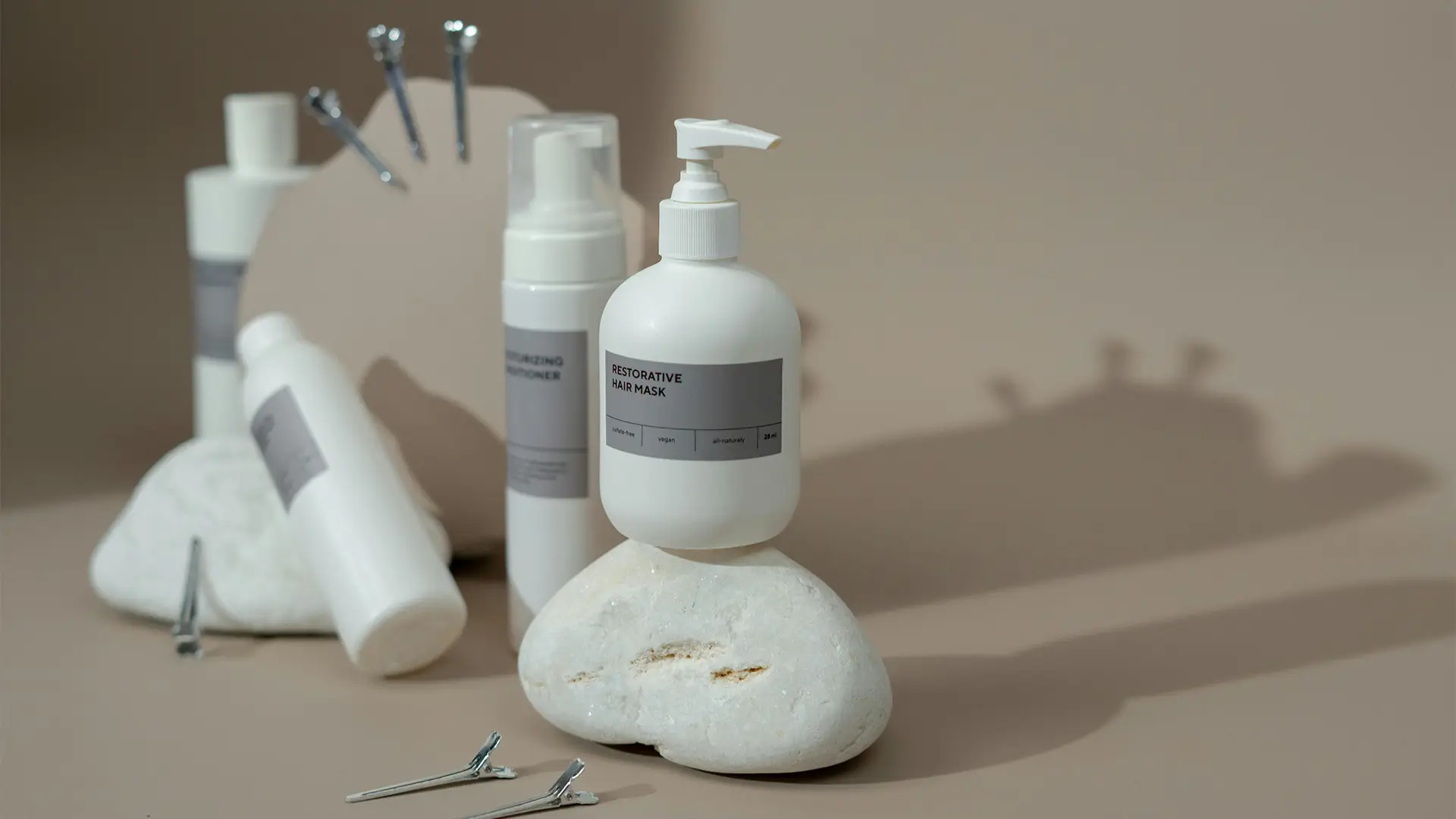
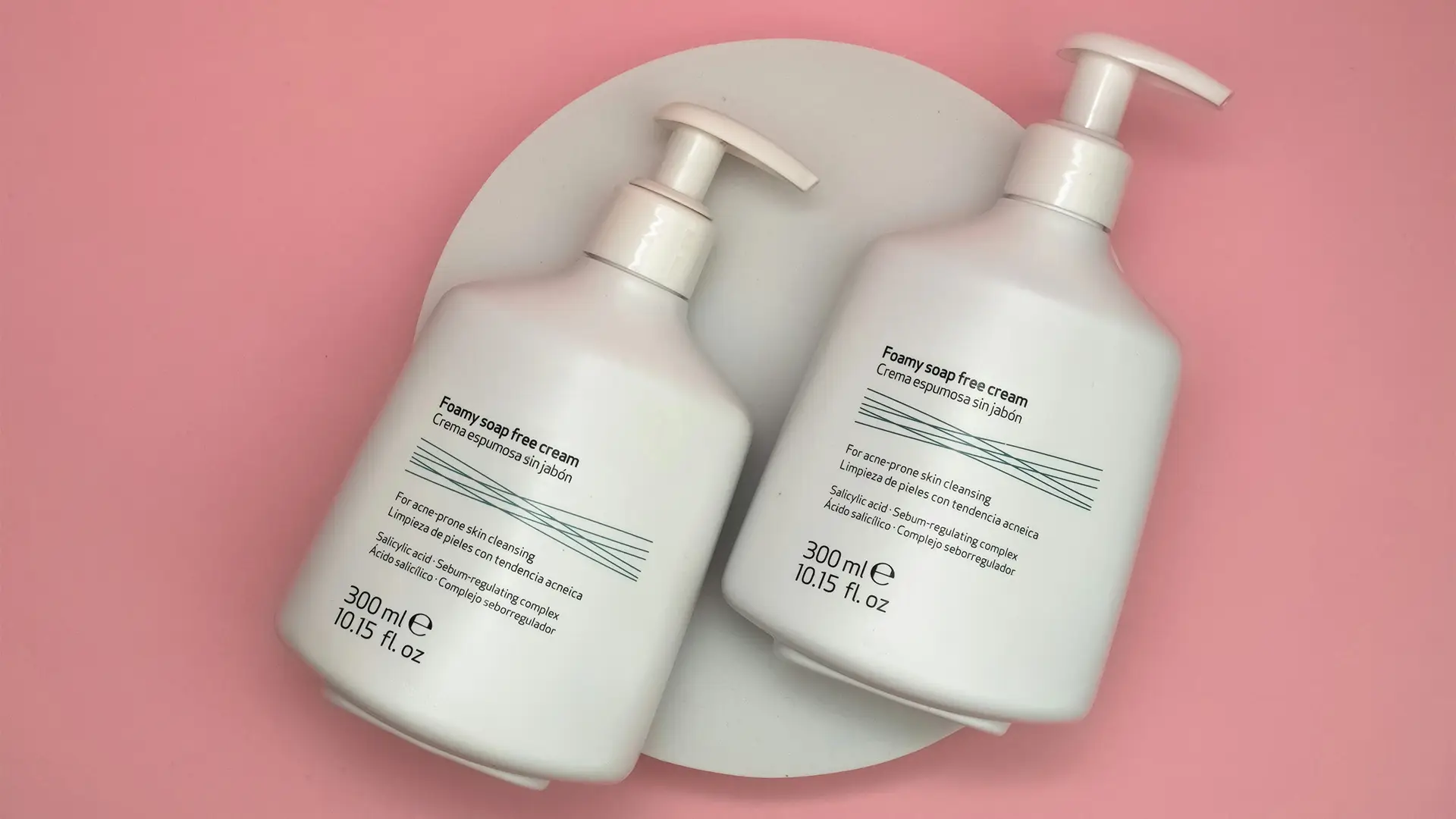
Cosmetic Stability Testing: Why It Matters More Than Ever As consumers increasingly demand high-performing, long-lasting, and safe cosmetic products, stability testing has emerged as a cornerstone of modern product development. For manufacturers, formulators, and regulatory experts, it is no longer enough to launch an innovative product. Products must also remain

Continue Reading >
consumer product testing stability room
Best Practices

Pharmaceutical Stability Testing: The Key to Product Safety and Regulatory Compliance

Pharmaceutical Stability Testing: The Key to Product Safety and Regulatory Compliance Pharmaceutical stability testing is more than a regulatory checkbox. It’s a critical scientific tool that determines whether a drug product will remain safe, effective, and consistent throughout its shelf life. For drug developers and regulatory teams, understanding the principles

Continue Reading >
Best Practices

Low-Level Contaminants in Pharmaceuticals: Navigating Risk, Regulation, and Detection Strategies

Low-Level Contaminants in Pharmaceuticals: Navigating Risk, Regulation, and Detection Strategies The pharmaceutical industry is under unprecedented scrutiny as regulators tighten restrictions on trace-level impurities in drug products. From nitrosamines to heavy metals and residual solvents, low-level contaminants have become a focal point of regulatory action and a source of concern

Continue Reading >
Best Practices

Low-Level Contaminants in Cosmetics: A Growing Concern for Formulators and Manufacturers

Low-Level Contaminants in Cosmetics: A Growing Concern for Formulators and Manufacturers The presence of low-level contaminants in cosmetics and personal care products poses a significant challenge for modern formulators, R&D scientists, and regulatory teams. With heightened global scrutiny, evolving regulatory expectations, and increasing consumer awareness, identifying and controlling trace-level impurities

Continue Reading >
Best Practices

“Free-Of” Claims in Product Labeling

The Rise of “Free-Of” Claims in Consumer Products In recent years, consumer product transparency demand has surged, driven by a growing awareness and concern for health and environmental sustainability. This shift is evident in the increasing prevalence of “Free-Of” claims on product labels. These claims tell consumers that certain substances—often

Continue Reading >
Businesses

Ames Mutagenicity Testing for Safe Products

The Role of Ames Mutagenicity Testing in Product Safety Ames mutagenicity testing is a technique in product safety that is pivotal for identifying potential genetic mutations caused by chemical substances. This test is integral for manufacturers across various industries, from cosmetics to pharmaceuticals, to ensure that their products do not

Continue Reading >
Businesses

Low-Level Detection Techniques in Product Safety

Low-Level Detection in Modern Product Safety Product safety is crucial for manufacturers and consumers in today’s fast-paced consumer market. With the increasing complexity of product formulations and stringent safety regulations, identifying potential contaminants at low concentrations has become more critical than ever before.  Low-level detection testing is vital in this

Continue Reading >
Specialty Chemicals

Free of Gluten

What is Gluten? Although gluten is commonly thought of as a single compound, it is actually a combination of proteins found in cereal grains including wheat, barley, rye and oats. Gluten is composed of two classes of proteins, gliadins and glutenins, each accounting for 50% of gluten’s composition.  Gluten has

Continue Reading >
Dietary Supplements

Free of BHA and BHT Testing Overview

Butylated Hydroxyanisole (BHA) and Butylated Hydroxytoluene (BHT) are FDA-approved food additives valued for their strong “antioxidant” properties. Since 1947, low levels of BHA and BHT have been added to edible fats, oils and fat-containing foods to prevent them from oxidizing or becoming rancid. The rancidification process typically gives rise to

Continue Reading >

Blog Categories

For Businesses

For Panelists

Recent Posts

Free of Gluten

What is Gluten? Although gluten is commonly thought of as a single compound, it is actually a combination of proteins found in cereal grains including

Read More »

Free of BHA and BHT Testing Overview

Butylated Hydroxyanisole (BHA) and Butylated Hydroxytoluene (BHT) are FDA-approved food additives valued for their strong “antioxidant” properties. Since 1947, low levels of BHA and BHT

Read More »