
Hybrid Diffuse Reflectance Spectroscopy (HDRS)
- FDA Registration FEI# 1000151293 as a GMP/GLP/GCP Drug Establishment and Cosmetic Facility.
- DEA Registration# RC0199744 (Analytical Lab) | Schedule I-V license | Remember, Schedules I-II require DEA Form 222 | Registration# RC0171568 (Researcher)
- US EPA/NJ DEP Registration# NJD982726648
- ISO/IEC 17025:2017 Accreditation# 80071
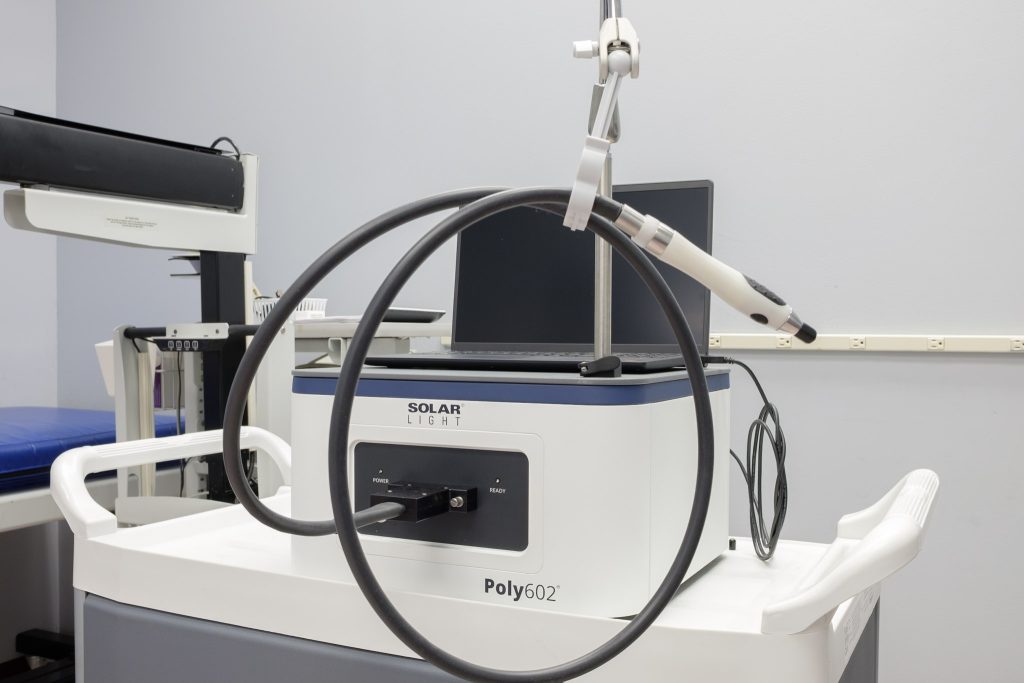
CPT℠ is proud to announce that we have acquired a new system (the Poly602®) for determining SPF using the principles of hybrid diffuse reflectance spectroscopy (HDRS).
While traditional SPF tests involved the tightly controlled burning of human volunteers, HDRS uses optics to determine the absorbance/transmittance of simulated sunlight in skin.
The principles of HDRS were first introduced by industry scientists in the early 1990s, mainly as a tool for assessing percutaneous absorption of topical agents, including sunscreens. Researchers realized that this method could be adapted for measuring UV protection, and following years of method development and advances in spectral hardware, the Poly602® was introduced by Solar Light Co.
How Does HDRS testing work?
Briefly, the method involves the determination of the Ultraviolet-A protection factor (UVA-PF) using the device, and then this data is combined with in vitro spectral data that determines the UVB absorbance (i.e. the SPF). Proprietary software hybridizes the data and generates an SPF label claim as well as UVA protection values. From a practical standpoint, the fact that you do not have to irradiate subjects and examine the burn 24 hours later means that we can conduct an entire 10-subject panel in as little as 1-2 days.

This method can be used to fully support SPF and UVA label claims in the EU as per the new ISO 23698 standard.
In addition, uses of the Poly602® include the following:
- A rapid screening tool for guiding formula development (2-3 subjects)
- Comparing formulas to “bridge” data
- Screening formulas for water/sweat resistance (2-3 subjects)
- Detection of sunscreens on/in skin for safety/efficacy
- Exploratory testing for other topical agents that absorb in the UV range (method development)
Finally, the world-class Metrology team at CPT℠ works proactively to ensure that all our lamps and radiometers are properly calibrated and operating to the highest standards. Quality, reliability and precision are critical for every instrumental method, and this is particularly true for methods involving xenon arc lamps.
CPT℠ Can Help With Your Photobiology Needs
How can CPT℠ use HDRS to simplify Photobiology testing?
The dedicated staff at CPT℠ are ready to work with you on all your sunscreen testing needs, so please reach out with any questions related to HDRS or any of our other sunscreen methods!